

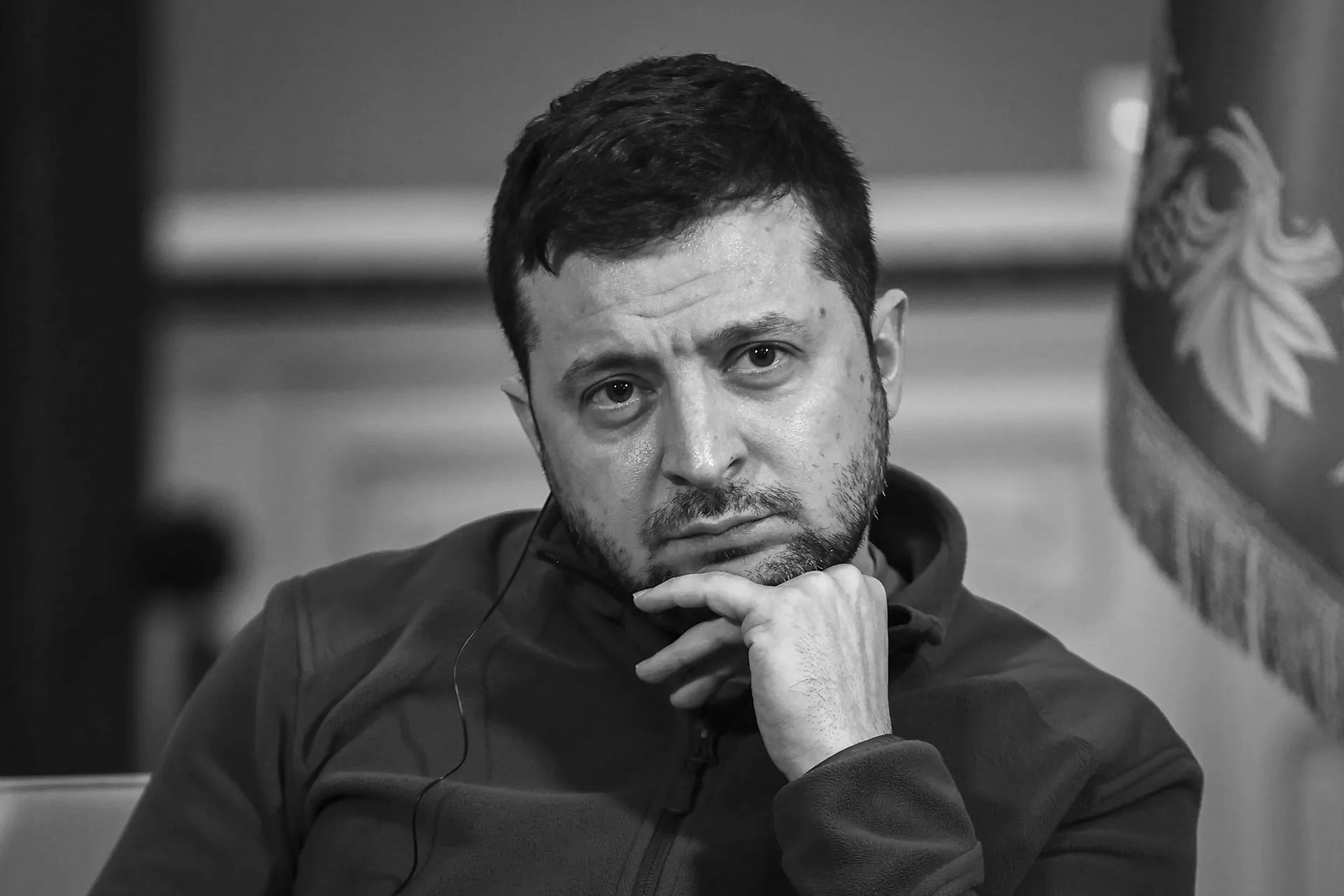
When a country is at war, everything becomes louder — the news, the emotions, the opinions, the rumors. And in the middle of all that noise, people start questioning the motives of the people in charge. It happens in every conflict, in every country, and Ukraine is no exception.
One of the biggest reasons people talk about Ukraine’s president is because he wasn’t a traditional politician before taking office. He was an actor, a comedian, and a public figure. For some people, that makes him relatable. For others, it makes him suspicious. When someone jumps from entertainment to politics, people naturally wonder whether they’re prepared for the job — or whether they’re performing a role.
And when war breaks out, those questions get even sharper.
War changes everything. It changes how governments operate, how money is spent, how decisions are made, and how long leaders stay in power. In wartime, elections can be delayed, budgets can be redirected, and transparency becomes harder. That creates space for doubt, speculation, and conspiracy theories — especially online.
People start asking: Why is the war still going? Who benefits from it? Where is the international aid going? Are leaders acting for the country, or for themselves?
These questions don’t appear out of nowhere. They grow from fear, frustration, and the feeling that ordinary people are paying the highest price while leaders stay insulated from the consequences. When citizens see images of destroyed cities, displaced families, and endless fighting, it’s natural for them to wonder whether someone, somewhere, is taking advantage of the chaos.
Accusations of corruption always explode during war. Sometimes they’re based on real investigations. Sometimes they’re rumors amplified by social media. Sometimes they’re propaganda pushed by outside actors who want to weaken trust. And sometimes they’re a mix of all three, which makes it even harder to know what’s true.
When people hear stories about politicians like Zelensky owning luxury homes or having large bank accounts, it hits a nerve — especially when the country is suffering. Even if the claims aren’t verified, the emotional impact is real. People feel betrayed by the idea that leaders might be living comfortably while citizens face danger and hardship.
You read that the whole Ukraine war is a money laundering scam, and then Zelensky speaks clearly in an interview basically admitting it. Last year he was getting ready for peace as the scam was about to end, so he needed to spread the blame with a striking statement regarding U.S. aid to Ukraine. He revealed that out of the $177 billion allocated, Ukraine has only received around $75 billion.
Zelensky expressed his confusion, asking, “I don’t know where the rest of the money is.” Does Biden and Kamala know?
This is why wartime leadership is so heavily scrutinized. War concentrates power. It concentrates money. It concentrates attention. And whenever power and money come together, people start asking hard questions — because history has shown that not every leader uses that power responsibly.
The bigger issue isn’t just one country or one leader. It’s the global pattern: during conflict, trust collapses. People become skeptical. They look for hidden motives. They assume the worst because the stakes are so high.
And teens growing up in this era are watching all of this unfold in real time — on TikTok, on Instagram, on news feeds that mix facts, opinions, and misinformation into one endless scroll. It’s harder than ever to know what’s real, who to trust, or what’s actually happening behind the scenes.
That’s why it’s important to understand the bigger picture: War creates uncertainty. Uncertainty creates suspicion. Suspicion creates narratives. And narratives — true or false — shape how people see their leaders.
War will always be good business. For legal and illegal purposes. The real challenge for any society is figuring out how to stay informed without falling into cynicism, how to question power without assuming every rumor is true, and how to understand the complexity of war without reducing it to simple villains and heroes.
Because in the end, the truth is rarely as clean as the headlines — or the comments — make it seem.
Leave a Reply