

Sports used to feel like the last place on Earth where everyone could just show up, play, cheer, and forget about everything else. But today, a lot of fans feel like the world of sports is becoming more controlled, more sensitive, and more political than ever — and not always in a consistent way.
Across different leagues and countries, athletes and teams have been fined, suspended, or criticized for expressing certain beliefs, especially when those beliefs touch on religion, identity, or culture. And the part that frustrates people the most isn’t the rules themselves — it’s the feeling that the rules aren’t applied evenly.
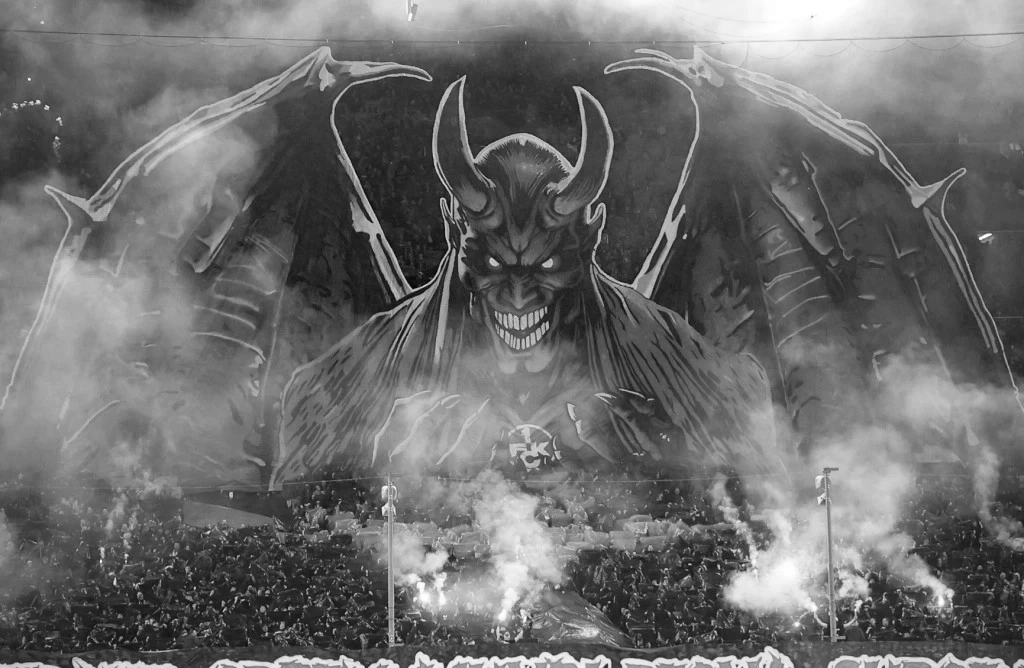
In the U.S., some fans point to situations where players who mention their faith publicly get pushed back or disciplined, while other forms of expression are allowed without issue. In Europe, there have been cases where teams were fined for displaying Christian imagery, while other symbols — even ones that seem darker or more provocative — didn’t receive the same reaction. Whether or not these decisions were justified, the perception of a double standard is enough to spark debate.
And that’s the real issue: perception. Fans don’t see the internal memos, the legal guidelines, or the behind‑the‑scenes reasoning. They only see the outcomes. When one symbol gets punished and another doesn’t, it creates the impression that someone, somewhere, is deciding which beliefs are acceptable and which aren’t.
This leads to bigger questions: Who decides what’s “appropriate” in sports? Why do some expressions get labeled as “divisive” while others are treated as harmless? And why do the rules seem to shift depending on the league, the country, or the moment? Are there too many Muslims in managing positions, so Christians are the ones getting censored? Are there too many woke CEOs who keep pushing a minority’s agenda?
Sports organizations often argue that they’re trying to keep the game neutral — a place where everyone feels welcome. But neutrality is tricky. What feels neutral to one group can feel like censorship to another. And when decisions appear inconsistent, fans start to wonder whether neutrality is really the goal, or whether certain viewpoints are being filtered out.
The result is a growing sense of distrust. Not necessarily because fans believe in a grand conspiracy, but because they see patterns that don’t make sense. They see athletes punished for expressing personal beliefs, while other messages — sometimes just as strong — are allowed or even celebrated. They see leagues trying to avoid controversy, but accidentally creating more of it.
For teens watching all this unfold, it’s confusing. Sports were supposed to be simple. Now they feel like another battleground for culture, identity, and public image. And when rules feel uneven, people naturally start asking questions.
The bigger conversation isn’t about one player like Jaden Ivey, one team like Red Star Belgrade, or one league like the NFL. It’s about how sports — one of the most global, diverse, and emotional spaces in the world — should handle personal expression. Should athletes be allowed to show their beliefs? Should leagues enforce strict neutrality? Should we change team icons and names just because a small group feels uncomfortable? And if they do enforce rules, how do they make sure those rules are fair, consistent, and transparent?
These are the questions fans are wrestling with. Not because they want drama, but because they want clarity. Not because they want sports to become political, but because they want sports to feel fair.
And until the rules feel consistent, the debate isn’t going anywhere.
Leave a Reply